


Five Canadian Provinces Raise Their Minimum Wages
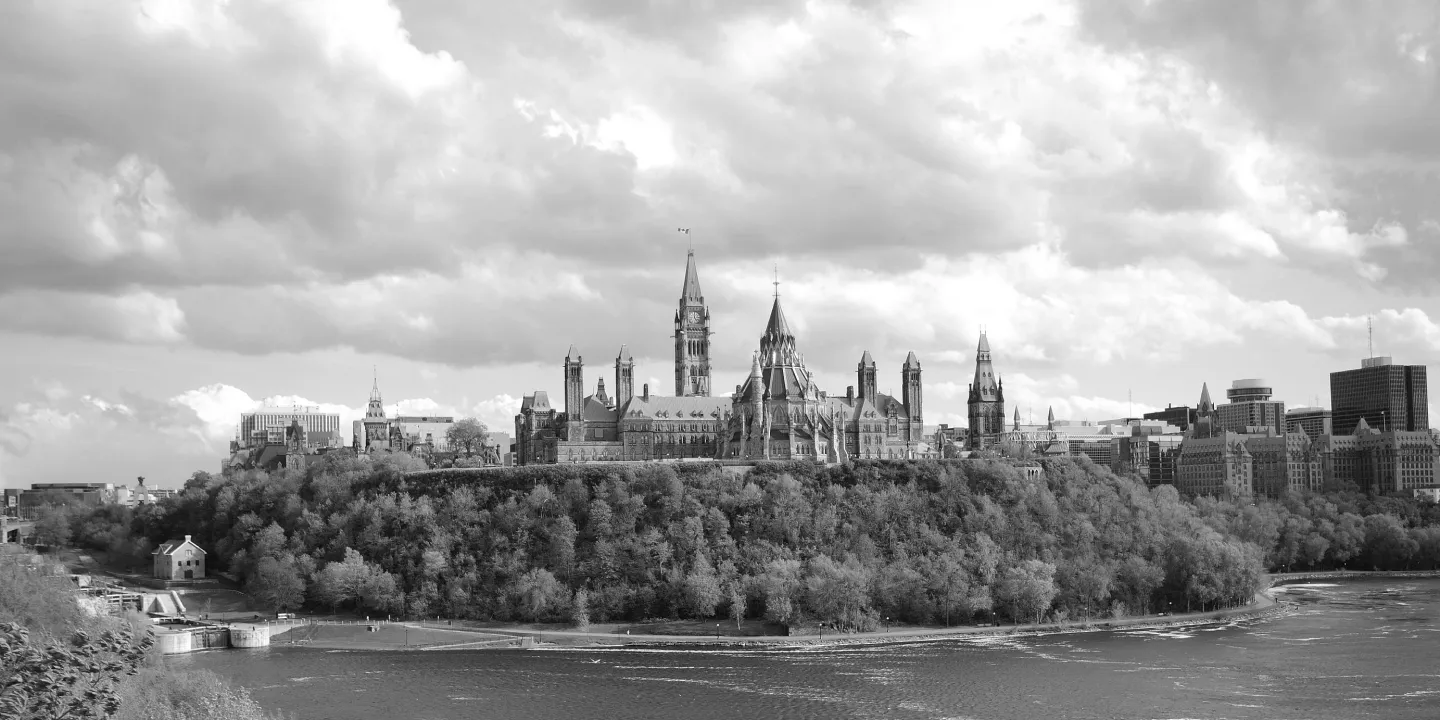
On October 1, 2025, five Canadian provinces raised their minimum wages to adjust for cost-of-living increases and inflation. The minimum wage varies from province to province, reflecting differences in the cost of living for each province.
Ontario
The general minimum wage increased from $17.20 CAD to $17.60 CAD per hour, adjusting for a 2.4% rise in the Ontario Consumer Price Index.
The hourly minimum wage for students aged 18 and under who work 28 hours or less per week increased from $16.20 CAD to $16.60 CAD.
Wages also rose for hunting, fishing, and wilderness guides in Ontario. Wages for guides who work less than five consecutive hours in a day increased from $86.00 CAD per day to $88.05 CAD per day. Those who work five or more hours in a day will see their pay rise from $172.05 CAD per day to $176.15 CAD per day.
Homeworkers — people who do work for employers out of their own homes — will also receive higher wages, with their hourly wage increasing from $18.90 CAD to $19.35 CAD.
Manitoba
The minimum wage in Manitoba increased from $15.80 CAD to $16.00 CAD to adjust for the province’s 1.1% rate of inflation in 2024.
Nova Scotia
Nova Scotia’s minimum wage rose to $16.50 CAD, up from $15.70 CAD. The change marks the second minimum wage increase in Nova Scotia in 2025, prompted by growing concerns about the cost of living.
Prince Edward Island
The minimum wage for Prince Edward Island increased from $16.00 CAD to $16.50 CAD following an annual review that examines a range of economic and social factors.
Saskatchewan
Saskatchewan’s minimum wage increased from $15.00 CAD to $15.35 CAD. In Saskatchewan, the minimum wage is calculated based on an indexation formula that gives equal weight to changes in the consumer price index and the province’s average hourly wage.
Source: Littler
Disclaimer: The information provided is for informational purposes only and does not constitute legal or professional advice. Safeguard Global disclaims any liability arising from reliance on this information. Certain content may be sourced from third parties and remains their intellectual property; all other content is owned by Safeguard Global and protected by applicable intellectual property laws. You are encouraged to seek professional or legal advice to address any issues, questions or matters arising from the information contained herein.
More Resources


Contact Us
Book a demo today
We’d love to learn more about your needs and show you how we can help. Submit the form and we’ll be in touch to schedule a personalized demonstration of our platform and services.
Schedule an appointment
Fill out the form to speak to a rep about how we can help your organization.